
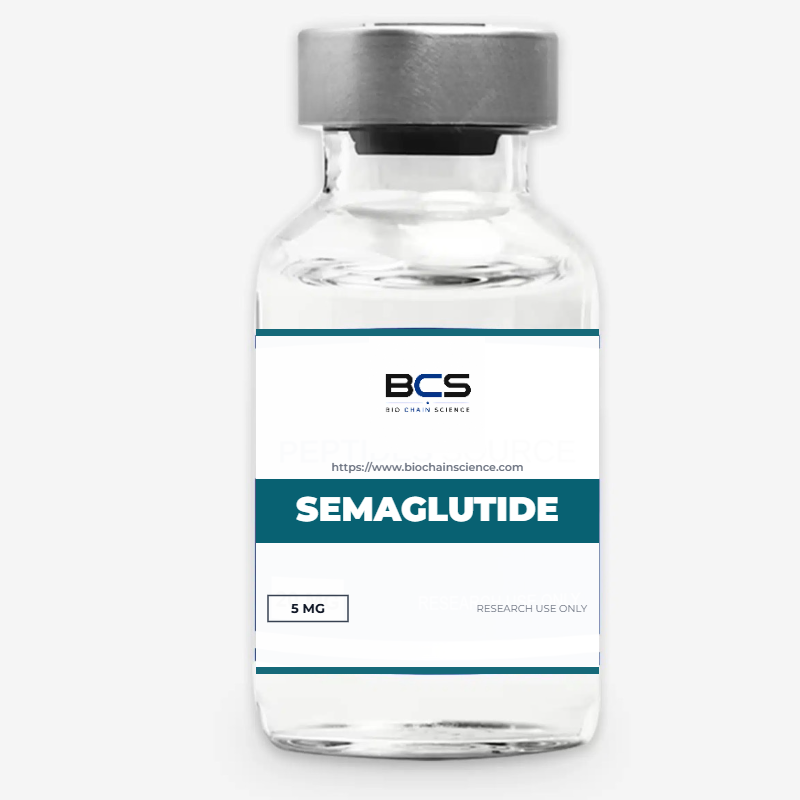
Is Semaglutide a Peptide
Price range: $45.00 through $130.00
Is Semaglutide a Peptide? It is a powerful GLP-1 peptide receptor agonist that plays a major role in blood sugar control and weight management research. Its ability to regulate appetite, improve insulin response, and support metabolic balance has made it one of the most important compounds in modern medical science.
As research continues, semaglutide is expected to remain a key focus in obesity treatment strategies and metabolic health innovations.
Is Semaglutide a Peptide
Semaglutide is a GLP-1 receptor agonist peptide medication widely studied and used in the management of type 2 diabetes and weight-related conditions. It is a synthetic compound designed to mimic the natural hormone glucagon-like peptide-1 (GLP-1), which plays a key role in regulating blood sugar, appetite, and digestion.
In recent years, semaglutide has become one of the most talked-about compounds in metabolic health due to its strong association with weight management and appetite control. It is available in prescription form under several brands and is also a major focus in clinical research for obesity treatment and metabolic disorders.
How Semaglutide Works in the Body
Semaglutide works by activating GLP-1 receptors in the body. These receptors are involved in several important metabolic processes. When activated, semaglutide helps:
* Increase insulin secretion when blood sugar is high
* Decrease glucagon release (a hormone that raises blood sugar)
* Slow down gastric emptying (food leaves the stomach more slowly)
* Reduce appetite and food cravings
* Increase feelings of fullness after eating
This combination of effects makes semaglutide highly effective in supporting both blood sugar control and weight management.
Because it acts on both the brain and digestive system, semaglutide helps reduce hunger signals while also improving how the body handles glucose.
Semaglutide and Weight Loss Research
One of the biggest reasons semaglutide has gained global attention is its role in weight loss studies. Researchers have found that it may significantly support fat reduction when combined with lifestyle changes such as diet and exercise.
Appetite Suppression
Semaglutide affects appetite-regulating centers in the brain, which may reduce hunger and help individuals consume fewer calories naturally.
Reduced Cravings
Many users and studies report reduced cravings for high-calorie and sugary foods, making it easier to maintain a controlled diet.
Improved Satiety
It helps people feel full faster and stay full longer, which can reduce frequent eating and snacking.
Metabolic Support
Semaglutide may improve insulin sensitivity and glucose metabolism, making it relevant for both diabetes and obesity-related research.
Medical Uses of Semaglutide
Semaglutide is primarily used in clinical settings for:
* Type 2 diabetes management
* Chronic weight management (obesity treatment support)
* Cardiometabolic risk reduction
* Insulin resistance research
It is not just limited to diabetes care anymore; it has become a central compound in obesity science and metabolic health research.
Why Semaglutide Is So Popular
Search interest in semaglutide has increased dramatically due to its noticeable effects in clinical trials and real-world use. Many people search for it because of its connection to:
* Rapid weight loss research
* Appetite control solutions
* Blood sugar management
* GLP-1 medications
* Obesity treatment options
It is also frequently compared with other compounds in the GLP-1 category due to its effectiveness and clinical backing.
Semaglutide vs Natural GLP-1
Natural GLP-1 hormones in the body break down quickly, lasting only a short time. Semaglutide is engineered to last much longer, allowing for sustained activity and more stable metabolic effects.
This extended action is one of the reasons it has become widely used in medical treatment and research settings.
Potential Benefits Being Studied
Researchers continue to explore semaglutide for a wide range of potential benefits, including:
1. Weight Management Support
Semaglutide may help reduce body weight by lowering appetite and caloric intake.
2. Blood Sugar Regulation
It improves insulin response and helps maintain stable glucose levels.
3. Cardiovascular Health Support
Some studies suggest possible benefits in reducing heart disease risk factors.
4. Reduced Food Intake Behavior
It may help modify eating behaviors linked to overeating.
5. Metabolic Efficiency
Semaglutide in Modern Research
Semaglutide is part of a growing class of GLP-1 receptor agonists, which are revolutionizing how obesity and metabolic diseases are studied. Its success has encouraged the development of newer compounds and combination therapies targeting multiple metabolic pathways.
Because of its effectiveness, semaglutide has become a benchmark for comparing newer weight management drugs and peptides in clinical research.
Who Is Interested in Semaglutide?
Semaglutide attracts interest from:
* Medical researchers studying obesity and diabetes
* Healthcare professionals in endocrinology
* Individuals exploring weight management science
* Fitness and wellness communities
* Pharmaceutical research institutions
Its broad application makes it one of the most widely discussed metabolic compounds today.
| Dosage | 10 mg, 15 mg, 20 mg, 30 mg, 5 mg |
|---|
Be the first to review “Is Semaglutide a Peptide”
Related products
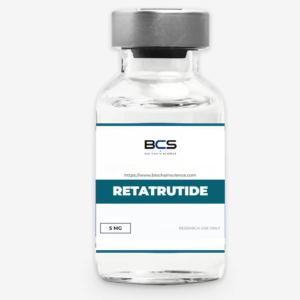
GLP-1
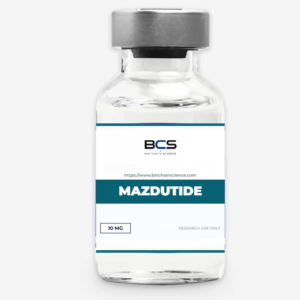
GLP-1
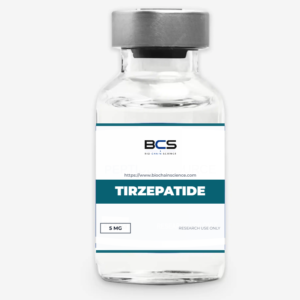
GLP-1
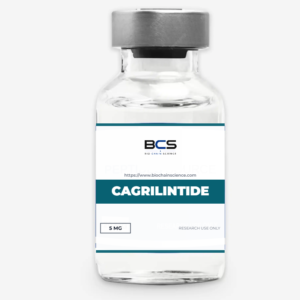
GLP-1
GLP-1
GLP-1
GLP-1
Reviews
There are no reviews yet.