High Purity
Research Peptide
High purity research peptide play an increasingly important role in modern scientific investigation, laboratory analysis, and bio-chain exploration.
Research Peptides
Verify COA
high purity research peptide
High purity research peptide play an increasingly important role in modern scientific investigation, laboratory analysis, and bio-chain exploration. At Bio Chain Science, we provide access to premium research compounds carefully selected to support scientific professionals, laboratories, academic researchers, and research institutions seeking reliable peptide solutions.
Our mission is centered on quality, and transparency. As the peptide research industry continues to grow, scientists require dependable suppliers capable of delivering products aligned with modern research standards. Bio Chain Science is committed to helping bridge this gap through a curated selection of research peptides and scientific compounds.
Why Researchers Prefer High purity research peptide
Quality remains at the foundation of peptide research. Every research compound available through Bio Chain Science is selected with purity, consistency, and research relevance in mind.
Researchers often seek compounds that meet expectations for:
product consistency
purity-focused sourcing
stable formulation standards
professional documentation
premium research compounds
WHY CHOOSE BIO CHAIN SCIENCE
Bio Chain Science is committed to supporting research communities through premium peptide solutions and educational resources. Our purity supports improved confidence during characterization and laboratory evaluation.
Why customers choose us:
As interest in peptide science continues to grow, having access to dependable research materials is more important than ever. Whether exploring molecular pathways, biochemical interactions, or analytical applications, High purity research peptide remain essential tools for modern laboratory work.
* High purity research peptide
* Secure order processing
* Expanding research catalog
* Professional customer support
* Educational product descriptions
* Research-focused brand presentation
We understand that quality, trust, and consistency are critical in the research industry.
peptide compounds
Frequently Asked questions
1. What are peptides?
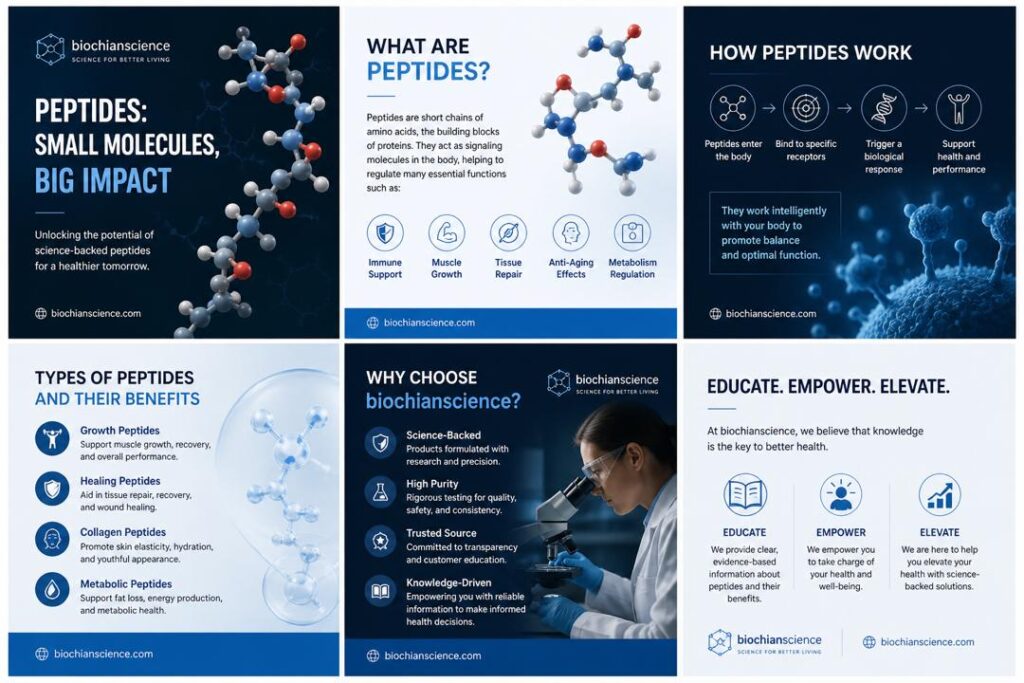
Peptides are short chains of amino acids linked together by peptide bonds. They are commonly studied in laboratory and scientific research environments for their biological properties.
2. What are research peptides used for?
High purity research peptide are primarily used in laboratory studies, biochemical analysis, molecular research, and preclinical investigations.
3. How should High purity research peptides be stored?
Most lyophilized peptides should be stored in a cool, dry place away from heat, light, and moisture. Some products may require refrigeration after reconstitution.
4. What does peptide purity mean?
Peptide purity refers to the percentage of the desired compound present in a product. Higher purity often indicates fewer impurities or byproducts.
5. Why are peptides sold in lyophilized form?
Lyophilization (freeze-drying) helps improve peptide stability and shelf life by removing moisture.
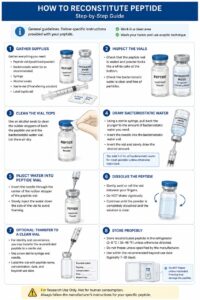
6. What is peptide reconstitution?
Peptide reconstitution is the process of dissolving a lyophilized peptide using a suitable solution before laboratory use.
7. How long do peptides last?
Shelf life depends on storage conditions, formulation, and whether the peptide is lyophilized or reconstituted..
Peptide Guide
Benefits of High purity research peptide
1. Supports Scientific Innovation
Peptides are widely studied in modern laboratories for their role in advancing biochemical and molecular research. Their unique structures allow researchers to investigate complex biological pathways and interactions.
2. Versatile Research Applications
One major benefit of peptides is their versatility. They are commonly explored in studies involving:
* Cellular analysis
* Molecular signaling
* Protein interaction research
* Metabolic pathway investigations
* Regenerative research models
This makes peptides useful across multiple scientific disciplines.
3. High Specificity
High purity research peptide often interact with highly specific biological targets, making them useful in controlled laboratory investigations and targeted research models.
4. Easier Synthesis and Modification
Compared to larger proteins, peptides are generally easier to synthesize, analyze, and modify in laboratory environments. This allows researchers to study different sequences and functions efficiently.
5. Valuable in Preclinical Research
Many peptides are investigated during early-stage research and preclinical studies to better understand biological mechanisms and molecular behavior.