
Uncategorized
How to Store Research Peptides
May
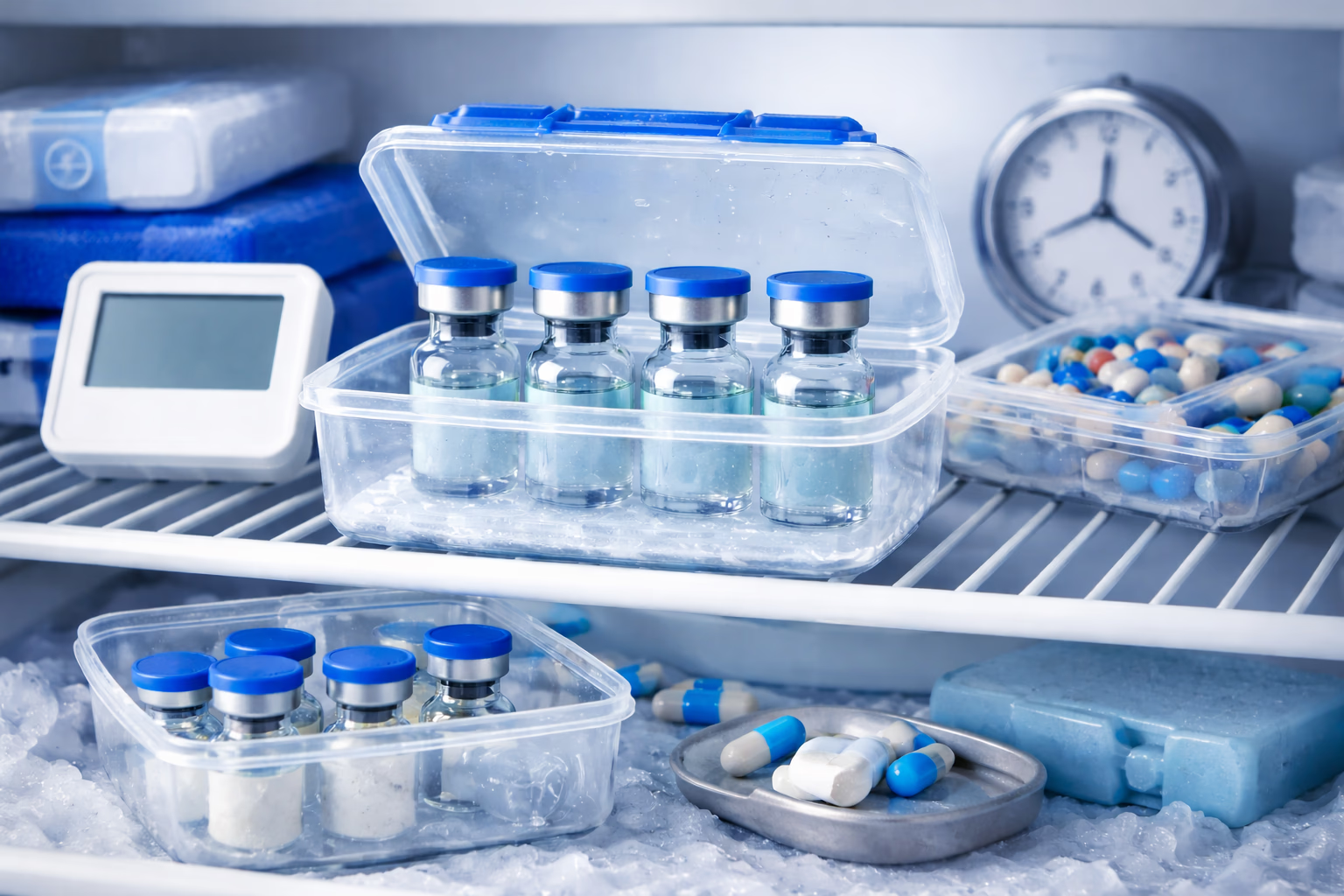
How to store research peptides is essential to maintain their stability, purity, and effectiveness. Whether you are working in a laboratory setting or managing peptide inventory for research purposes, incorrect handling can quickly degrade these sensitive compounds and compromise results. This guide explains the correct way to store research peptides to ensure maximum longevity and reliability.
What Are Research Peptides?
Research peptides are a short chains of amino acids used in scientific studies to investigate biological processes, protein functions, and potential therapeutic applications. Because they are highly sensitive to environmental conditions such as heat, light, and moisture, proper storage is essential.
Why Proper Storage Matters
Peptides can degrade or loss potential when exposed to unfavorable conditions. This degradation may lead to:
- Loss of potency
- Structural breakdown
- Inaccurate research results
- Wasted materials and increased costs
Maintaining proper storage conditions ensures your peptides remain stable and effective throughout their intended shelf life.
Ideal Storage Conditions for Peptides
- Keep Peptides Frozen (Longterm Storage)
For longterm preservation, peptides should be stored at low temperatures:
- -20°C (standard freezer): Suitable for most short to mediumterm storage
- -80°C (ultra-low freezer): Best for longterm preservation and maximum stability
Freezing significantly slows down molecular degradation processes.
- Refrigeration for Short-Term Use
If peptides are being used frequently:
- Store at 2°C to 8°C (refrigerator temperature)
- Only keep peptides refrigerated when they are in active use
- Avoid repeated warming and cooling cycles
- Protect from Moisture
Moisture is one of the biggest threats to peptide stability:
- Always store in airtight, sealed vials
- Use desiccant packets inside storage containers
- Avoid opening vials unless necessary
- Avoid Light Exposure
Ultraviolet (UV) light can degrade peptide structure:
- Store peptides in amber or opaque containers
- Keep them inside dark storage boxes or freezer compartments
Handling Guidelines
Proper handling is just as important as storage:
- Always use sterile gloves when handling all peptides
- Avoid repeated freezethaw cycles
- Reconstitute only the amount needed for immediate use
- Label all vials clearly with date and concentration so you don’t get mixed up
Reconstitution and Storage After Mixing
Once peptides are mixed with a solvent (such as bacteriostatic water):
- Store reconstituted peptides at 2°C to 8°C
- Use within the recommended timeframe (often 7–30 days depending on peptide type)
- Do not refreeze after reconstitution unless specifically stated by manufacturer guidelines
Common Storage Mistakes One Must Avoid
- Leaving peptides at room temperature for extended periods
- Storing in humid environments
- Frequent thawing and refreezing
- Using unsealed or poorly labeled containers
- Exposing peptides to direct sunlight

Hmm it looks like your site ate my first comment (it was super long) so I guess I’ll just sum it up what I submitted and say,
I’m thoroughly enjoying your blog. I as well am an aspiring blog writer but I’m still new to the
whole thing. Do you have any helpful hints for beginner blog writers?
I’d definitely appreciate it.