
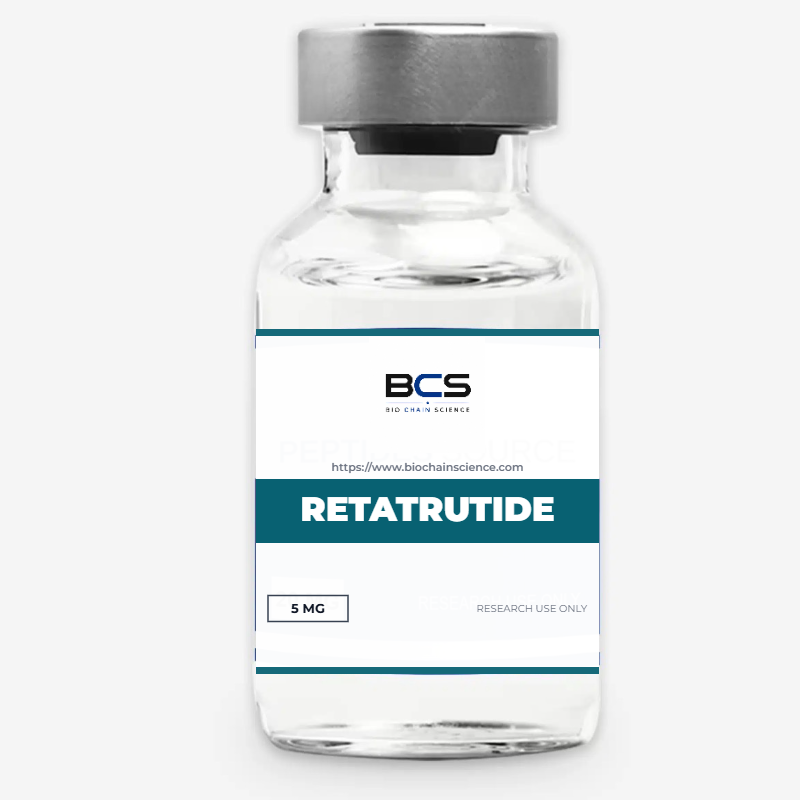
Retatrutide Peptide

Price range: $70.00 through $380.00
Retatrutide Peptide is rapidly emerging as a highly researched peptide in metabolic science. With its unique triple agonist activity involving GLP-1, GIP, and glucagon receptors, it has positioned itself as a next-generation compound for advanced metabolic research.
Its growing popularity reflects increased scientific interest in multi-target peptide technologies designed to explore appetite regulation, energy expenditure, and glucose metabolism. As research advances, Retatrutide is expected to remain a key focus in peptide innovation and metabolic exploration.
Retatrutide Peptide
Retatrutide Peptide is an investigational peptide currently being studied for its potential role in metabolic research, particularly in areas related to body weight regulation, glucose metabolism, and energy balance. Unlike traditional compounds that target a single receptor, Retatrutide is recognized as a triple hormone receptor agonist, meaning it interacts with three distinct pathways involved in metabolic activity.
Researchers are exploring Retatrutide for its interaction with GLP-1 (glucagon-like peptide-1), GIP (glucose-dependent insulinotropic polypeptide), and glucagon receptors. This multi-target mechanism has generated significant interest in scientific communities because it may offer broader metabolic effects compared to single-pathway compounds.
As peptide science evolves, compounds like Retatrutide continue to attract attention for their potential applications in obesity research, diabetes-related studies, and long-term metabolic investigations.
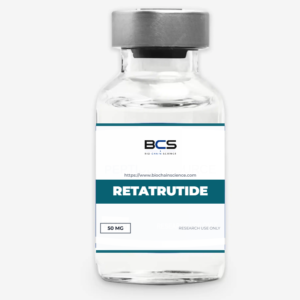
How Retatrutide Works
Retatrutide is designed to influence multiple biological pathways associated with appetite signaling, insulin regulation, and fat metabolism.
1. GLP-1 Receptor Activity
GLP-1 receptor agonists are widely researched for their role in supporting insulin secretion and slowing gastric emptying. This pathway is commonly linked to appetite control and satiety signaling.
2. GIP Receptor Activity
GIP is another incretin hormone that may contribute to glucose homeostasis and nutrient metabolism. By targeting this receptor, researchers aim to better understand how combined hormone activity affects metabolic efficiency.
3. Glucagon Receptor Activity
Glucagon receptor stimulation may increase energy expenditure and fat oxidation. This makes Retatrutide especially interesting in research involving body composition and energy utilization.
The combination of these three mechanisms makes Retatrutide unique among next-generation metabolic peptides.
Potential Research Applications of Retatrutide
Retatrutide is currently being explored in several research areas, including:
Weight Management Research
Scientists are studying whether multi-receptor agonists like Retatrutide can influence appetite pathways, caloric intake, and long-term weight regulation.
Glucose Metabolism Studies
Retatrutide is also of interest in studies focused on blood sugar regulation, insulin sensitivity, and metabolic flexibility.
Obesity and Energy Balance Research
Because it targets both appetite regulation and energy expenditure pathways, Retatrutide may provide valuable insights into obesity-related mechanisms.
Fat Oxidation and Body Composition
Researchers are evaluating how glucagon receptor activity may influence fat metabolism, thermogenesis, and body composition changes.
Why Retatrutide Is Gaining Attention
Retatrutide has become one of the most discussed investigational peptides in metabolic science due to its advanced design and broad receptor activity.
Several factors driving interest include:
* Triple agonist peptide profile
* Advanced obesity and metabolic research focus
* Interest in next-generation GLP-1 alternatives
* Growing scientific exploration into peptide-based metabolic compounds
As research continues, Retatrutide is increasingly mentioned alongside other metabolic peptides in scientific discussions involving body composition and endocrine signaling.
Retatrutide Peptide vs Other Metabolic Peptides
Retatrutide is often compared to other compounds such as semaglutide and tirzepatide due to overlapping metabolic research interest.
However, the primary difference lies in receptor activity:
* Semaglutide: Primarily targets GLP-1
* Tirzepatide: Dual agonist targeting GLP-1 and GIP
* Retatrutide: Triple agonist targeting GLP-1, GIP, and glucagon
This expanded mechanism may offer researchers broader opportunities to study integrated metabolic pathways.
Storage and Handling
Like many research peptides, Retatrutide should be handled under controlled laboratory conditions.
General considerations may include:
* Store in a cool, dry environment
* Protect from direct light exposure
* Follow standard peptide storage protocols
* Maintain research-grade handling procedures
Proper storage is important for maintaining peptide stability and integrity during research use.
Future of Retatrutide Peptide Research
Retatrutide represents an important development in peptide science, particularly within metabolic and endocrine research. Its triple receptor mechanism places it among the most innovative compounds currently under investigation.
As scientific understanding of obesity, insulin signaling, and hormonal regulation continues to evolve, compounds like Retatrutide may contribute valuable insights into future therapeutic research pathways.
Researchers, laboratories, and peptide enthusiasts continue monitoring Retatrutide developments closely due to its promising scientific profile and expanding relevance in metabolic studies.
| Dosage | 10 mg, 15 mg, 20 mg, 30 mg, 40 mg, 5 mg, 50 mg, 60 mg |
|---|
Be the first to review “Retatrutide Peptide”
Related products

Immune

Immune

GLP-1
Immune

GLP-1
GLP-1

GH

GLP-1
Reviews
There are no reviews yet.