
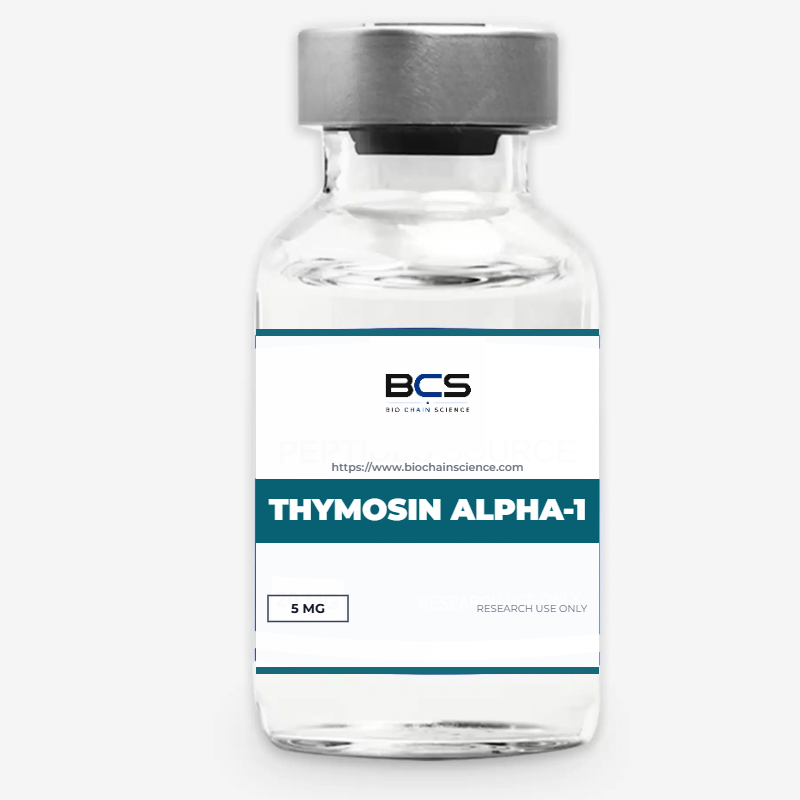
Thymosin Alpha-1
Price range: $105.00 through $200.00
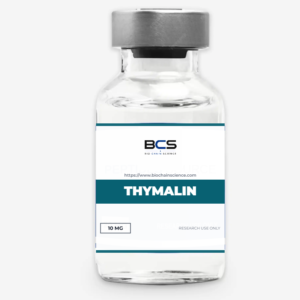
Thymosin Alpha-1 is a synthetic 28-amino acid peptide widely studied in immunology and peptide research for its role in immune modulation, T-cell activity, and cellular signaling pathways. Commonly explored in laboratory settings, Thymosin Alpha-1 is recognized for its relevance in immune system research, inflammatory response studies, and host defense mechanisms. Produced under strict research standards, this peptide is intended for laboratory and scientific use only.
Thymosin Alpha-1
Thymosin Alpha-1 (often abbreviated as Tα1 or Tα-1) is a synthetic peptide made up of 28 amino acids, originally derived from a naturally occurring peptide found in the thymus gland. The thymus plays a central role in immune system development, particularly in T-cell maturation and immune regulation. Because of this connection, Thymosin Alpha-1 has attracted significant scientific interest in immunology, peptide research, and cellular biology.
Researchers study Thymosin Alpha-1 for its potential role in supporting immune signaling pathways, promoting T-cell differentiation, and modulating inflammatory responses. It is widely discussed in laboratory and academic settings focused on immune function, peptide science, and host defense mechanisms.
As peptide science continues to expand, Thymosin Alpha-1 has become one of the most searched immune-related peptides among research professionals, educational institutions, and peptide enthusiasts interested in cutting-edge biological compounds.
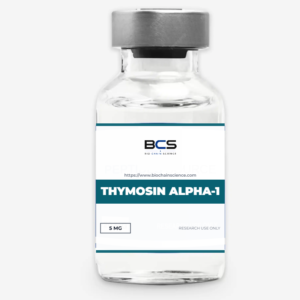
How Thymosin Alpha-1 Works
Thymosin Alpha-1 is primarily studied for its interaction with the immune system. Research suggests it may influence several biological mechanisms, including:
1. T-Cell Activation and Maturation
One major area of study involves Thymosin Alpha-1’s relationship with T-lymphocytes. T-cells are critical immune cells responsible for identifying and responding to pathogens or abnormal cellular activity.
Laboratory studies indicate that Thymosin Alpha-1 may assist in:
* Supporting T-cell differentiation
* Enhancing T-cell signaling
* Promoting immune recognition pathways
2. Immune Modulation
Unlike compounds that simply stimulate immune activity, Thymosin Alpha-1 is studied for immune modulation—helping regulate immune balance rather than merely increasing activity.
Researchers investigate its effect on:
* Cytokine signaling
* Interferon pathways
* Natural killer (NK) cell activity
* Dendritic cell function
This balanced mechanism is one reason Thymosin Alpha-1 continues to receive attention in research environments.
3. Inflammatory Response Regulation
Inflammation is a natural biological response, but chronic inflammation has been associated with numerous disease pathways.
Scientific investigations examine whether Thymosin Alpha-1 may influence inflammatory markers by interacting with immune regulatory systems.
Areas commonly explored include:
* Inflammatory cytokines
* Oxidative stress pathways
* Cellular stress responses
Its connection to inflammatory modulation has made it a topic of interest in broader peptide and immune research.
Scientific Research Applications of Thymosin Alpha-1
Thymosin Alpha-1 is widely explored in laboratory studies focused on immune resilience and cellular defense systems.
Common research areas include:
Immune System Research
Scientists use Thymosin Alpha-1 to better understand:
* Adaptive immunity
* Innate immune responses
* Immune tolerance mechanisms
* T-cell education
Viral and Host Defense Studies
Due to its immune-regulating properties, Thymosin Alpha-1 is frequently discussed in research related to host defense mechanisms and immune preparedness.
Researchers analyze its role in:
* Antiviral immune responses
* Interferon regulation
* Immune surveillance pathways
Oncology and Cellular Research
Some academic studies explore Thymosin Alpha-1 in relation to cellular communication, immune recognition, and abnormal cell detection.
Research topics include:
* Immune checkpoint interactions
* Tumor microenvironment studies
* Cellular signaling mechanisms
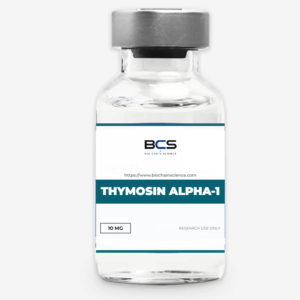
Why Thymosin Alpha-1 Is Popular in Peptide Research
Several factors contribute to the growing popularity of Thymosin Alpha-1:
High Scientific Relevance
Its link to immune biology makes it highly relevant across multiple disciplines including:
* Immunology
* Molecular biology
* Biochemistry
* Peptide science
Strong Research History
Thymosin Alpha-1 has been studied for decades, giving researchers a relatively extensive body of literature to reference.
This historical research base contributes to:
* Ongoing scientific credibility
* Continued laboratory interest
* Broad academic discussion
Multi-Pathway Mechanism
Rather than targeting a single pathway, Thymosin Alpha-1 is studied for interacting with several immune-related systems.
This broad mechanism increases its appeal for exploratory research.
Storage and Handling in Research Settings
In laboratory environments, peptide stability is essential.
Researchers typically store Thymosin Alpha-1 under controlled conditions to preserve integrity.
Common considerations include:
* Refrigerated storage after reconstitution
* Protection from heat and light
* Sterile laboratory handling procedures
Future Outlook for Thymosin Alpha-1 Research
As peptide science evolves, Thymosin Alpha-1 remains a prominent compound in immune-focused research.
Future studies may continue exploring:
* Advanced immunomodulation pathways
* Cellular defense signaling
* Immune resilience models
* Precision peptide applications
Its established scientific background and ongoing relevance suggest Thymosin Alpha-1 will remain a valuable subject in peptide literature and biological research.
| Dosage | 5mg/vial, 10vial/kits, 10mg/vial, 10vial/kits |
|---|
Be the first to review “Thymosin Alpha-1”
Related products
Immune
Immune
Immune
Immune
Immune
Immune
Immune
Immune
Reviews
There are no reviews yet.