
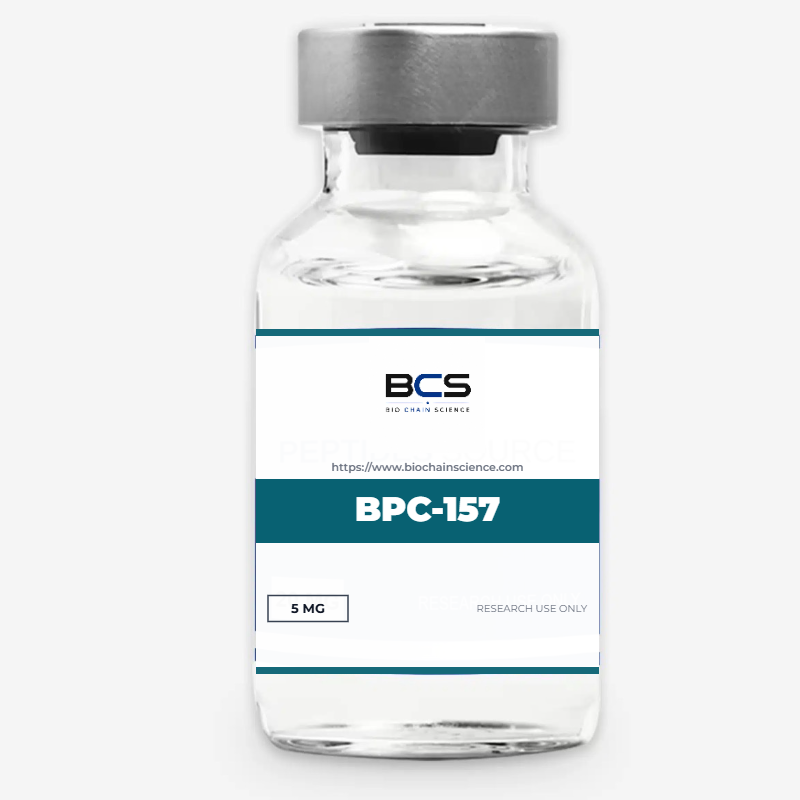
BPC-157 Peptide
Price range: $50.00 through $70.00
BPC-157 peptide has become one of the most recognized peptides in regenerative and recovery research. Its association with tissue repair, gut health support, and inflammation regulation makes it a highly searched compound in peptide science. As interest in advanced recovery solutions continues to grow, BPC-157 remains a major topic in educational and scientific discussions surrounding peptides.
BPC-157 Peptide
BPC-157 peptide is a synthetic chain of 15 amino acids derived from a larger protein present in the stomach. It was first studied for its protective effects on the digestive tract, but researchers later became interested in its broader regenerative potential.
The peptide is widely investigated for its possible ability to accelerate healing processes involving:
* Muscles
* Tendons
* Ligaments
* Nerves
* Gastrointestinal tissues
Its stability in gastric conditions is one of the characteristics that makes it unique compared to many other peptides.
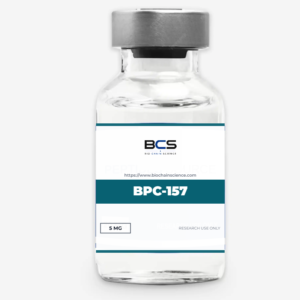
How Does BPC-157 Work?
BPC-157 is believed to interact with multiple biological pathways involved in healing and tissue maintenance.
Potential mechanisms studied include:
1. Angiogenesis Support
BPC-157 may help stimulate the formation of new blood vessels, a process known as angiogenesis. Improved blood flow may contribute to nutrient delivery and tissue repair.
2. Collagen and Tissue Repair
The peptide is associated with collagen organization and fibroblast activity, both essential components of wound healing and tissue regeneration.
3. Anti-Inflammatory Effects
Researchers suggests BPC-157 may help regulate inflammatory pathways, which is why it is commonly discussed in injury recovery and gut repair studies.
4. Nitric Oxide Regulation
BPC-157 may influence nitric oxide pathways, which play a role in circulation, blood vessel function, and healing responses.
BPC-157 Benefits Being Studied
BPC-157 is primarily researched for its regenerative and protective properties.
Muscle Recovery Support
BPC-157 is often discussed in relation to muscle strain recovery and post-training repair. Researchers are interested in its possible effects on muscle regeneration after physical stress.
Tendon and Ligament Repair
One of the most searched topics about BPC-157 is its potential role in tendon and ligament healing. It is commonly associated with studies involving soft tissue repair.
Gut Health and Digestive Support
Since BPC-157 originates from a gastric protein, it has been widely investigated for gastrointestinal protection.
Research areas include:
* Gut lining support
* Gastric protection
* Intestinal recovery
* Inflammation reduction in digestive tissues
Wound Healing
BPC-157 is also studied for its possible ability to accelerate skin and tissue repair after injury.
Joint and Connective Tissue Support
Due to its regenerative properties, BPC-157 is commonly linked to recovery protocols targeting joints, tendons, and connective tissues.
Why is BPC-157 Popular?
BPC-157 has gained strong popularity because it sits at the intersection of sports recovery, regenerative science, and peptide research.
Reasons for increasing demand include:
* Rising interest in recovery optimization
* Growth of peptide education online
* Interest in non-surgical tissue support solutions
* Expanding regenerative medicine research
As more people search for advanced recovery compounds, BPC-157 continues trending in peptide communities worldwide.
BPC-157 in Research Applications
BPC-157 is frequently referenced in research exploring:
* Soft tissue regeneration
* Recovery science
* Gastrointestinal protection
* Inflammatory response modulation
* Cellular repair pathways
Its broad range of research interest makes it one of the most recognizable peptides in the peptide market.
Is BPC-157 FDA Approved?
BPC-157 is currently considered a research compound and is not approved by the U.S. Food and Drug Administration (FDA) for general medical use. Much of the current knowledge comes from preclinical and experimental research.
Anyone interested in peptide related topics should understand the difference between research compounds and approved therapeutic products.
BPC-157 vs Other Recovery Peptides
BPC-157 is often compared with other regenerative peptides because of its reputation for recovery focused research.
It is commonly discussed alongside:
TB-500
GHK-Cu
Thymosin Beta peptides
However, BPC-157 is often specifically associated with gut health and connective tissue support, which helps differentiate it from other compounds.
Future of BPC-157 Research
As regenerative medicine continues evolving, BPC-157 remains a compound of high interest. We continue exploring its role in recovery biology, tissue repair, and cellular protection.
Its versatility and wide research applications suggest it will remain a major focus in peptide science for years to come.
| Dosage | 5mg/vial, 10vial/kits, 10mg/vials, 10 vial/kits |
|---|
Be the first to review “BPC-157 Peptide”
Related products
Healing
Healing
Healing
Healing
Reviews
There are no reviews yet.